AI illustration Materials & energy
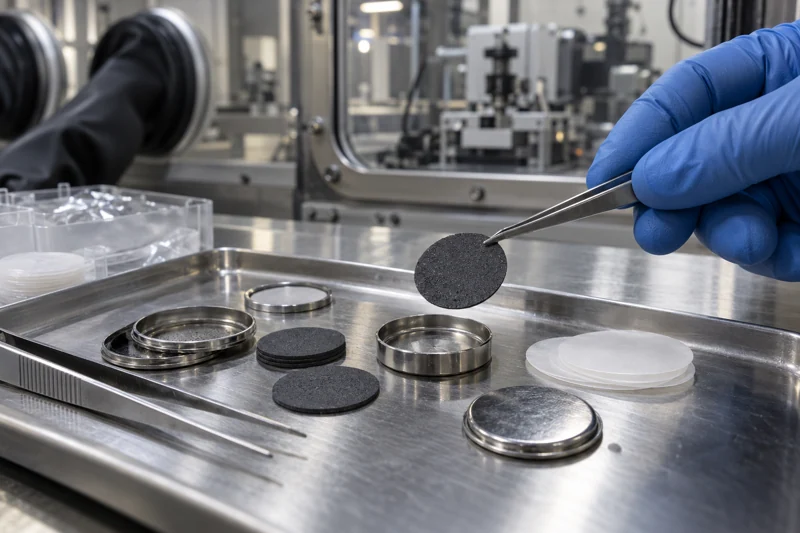
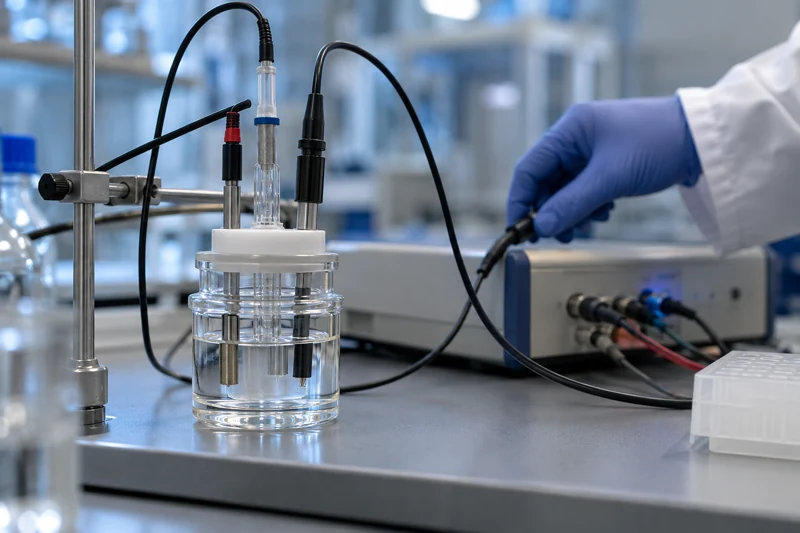
A Nature study published 11 November 2026 combines three electrolyte ingredients to make four-electron iodine conversion reversible in laboratory zinc–iodine cells.
Research advance · 5 min read 11 Nov 2026
Microfluidics & analysis
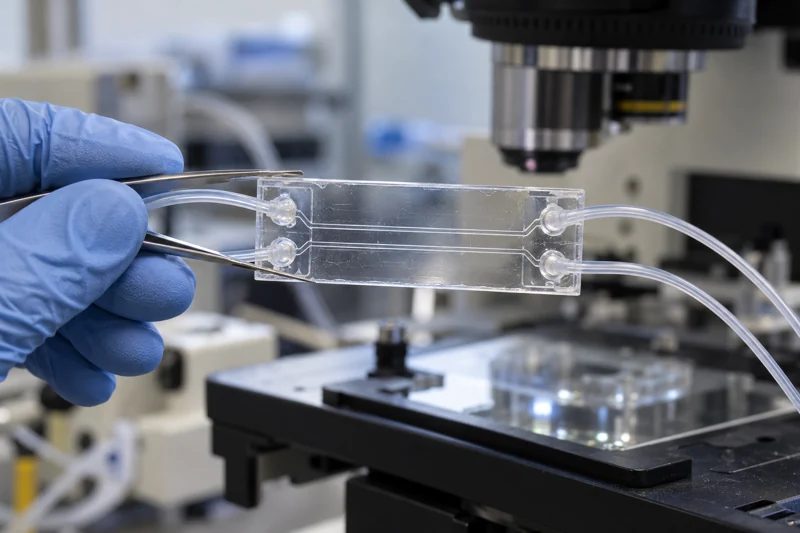
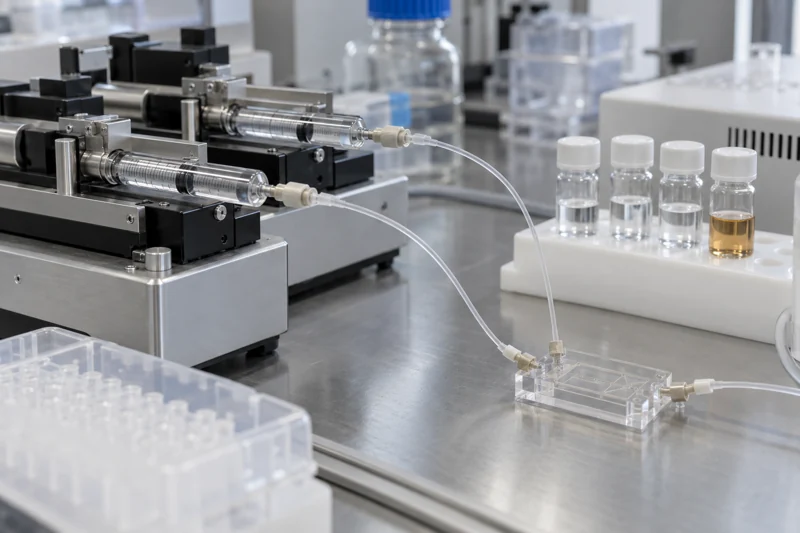
A 5 November study uses a knot-shaped open microfluidic probe to map lipids, metabolites and proteins with ambient mass spectrometry imaging.
Research advance · 5 min read 5 Nov 2026
AI illustration Chemical principles
A liquid can cool as its fastest molecules escape. Energy balance, humidity, airflow and surface area explain when evaporation has a noticeable effect.
Explainer · 4 min read
Molecular life sciences
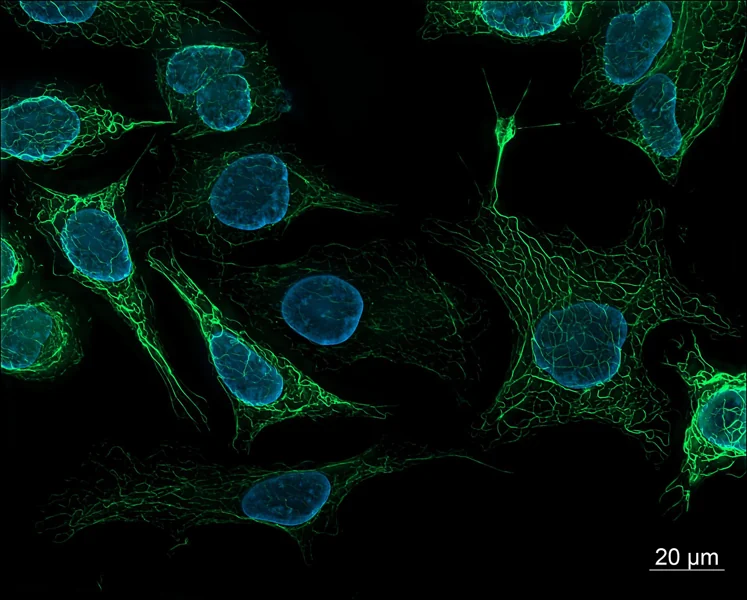
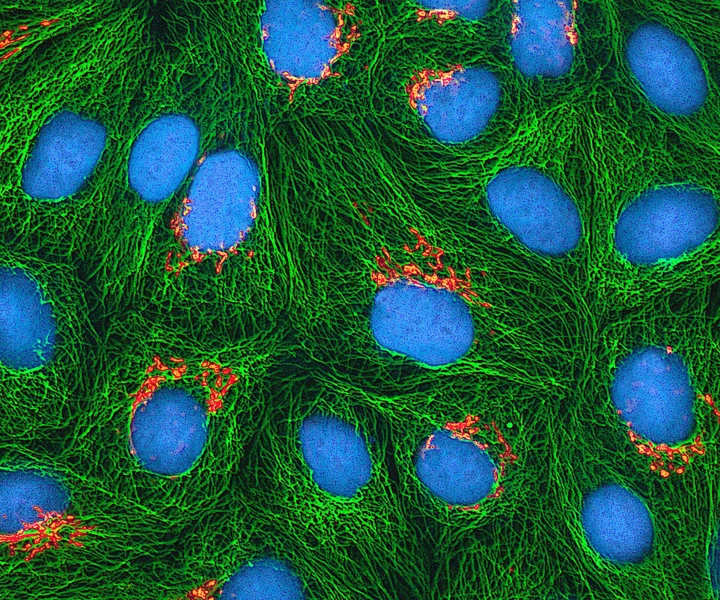
A glowing image depends on molecules, illumination, optics and sample geometry. Understanding those links makes fluorescence useful without overreading brightness.
Explainer · 7 min read
Microfluidics & analysis
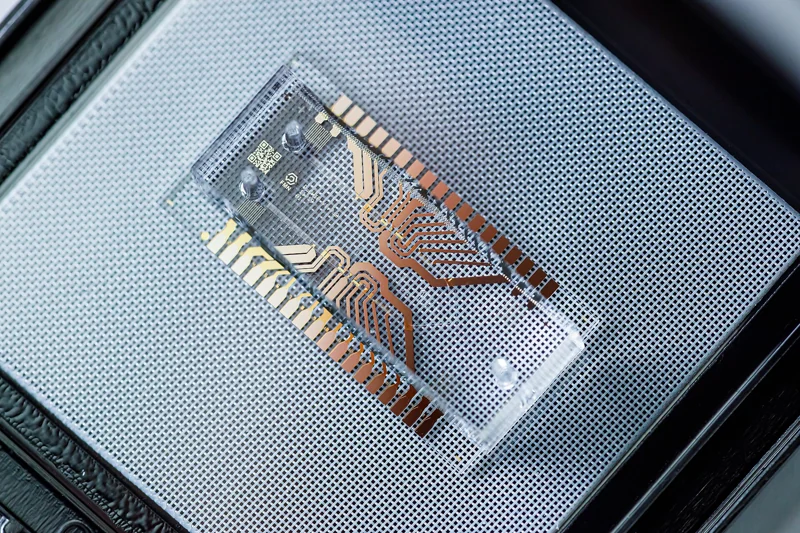
A 2 November 2026 study pairs negative dielectrophoresis with glass microwells to capture, monitor and lyse individual cells on a chip.
Research advance · 6 min read 2 Nov 2026
AI illustration Chemical principles
Temperature and gas pressure set an equilibrium solubility, but a river or lake’s measured oxygen also reflects mixing and biology.
Explainer · 4 min read
AI illustration Chemical principles
A dissolved salt changes the balance between liquid water and ice. Particle counting predicts the first effect, but concentrated brine and real winter surfaces demand more care.
Explainer · 5 min read
Microfluidics & analysis
A 2026 study reports polymer vesicles that move away from lactic acid gradients through membrane rearrangements, offering a new model of chemical-to-mechanical sensing.
Research advance · 5 min read 11 Nov 2026
Microfluidics & analysis
A 5 October study combines wax valves, CRISPR chemistry, protein assays and smartphone reading; its laboratory performance is promising, with translation questions still open.
Research advance · 6 min read 5 Oct 2026
AI illustration Chemical principles
Dissolved particles can reach an invisible limit, and a change in mixture conditions can turn a clear solution cloudy.
Explainer · 5 min read
Microfluidics & analysis
A 2026 paper compares six device layouts and shows how channel geometry can reduce reagent demand without turning a laboratory assay into a clinical test.
Research advance · 5 min read 7 Sep 2026
AI illustration Chemical principles
Dissolved ions help complete corrosion cells, while oxygen supply, surface films and local chemistry determine where metal is actually lost.
Explainer · 4 min read
AI illustration Chemical principles
A straight line converts absorbance into concentration only within a tested method, wavelength and sample range.
Explainer · 6 min read
AI illustration Chemical principles
A conjugate acid–base pair can absorb a disturbance, but its pH and its reserve are different chemical properties.
Explainer · 6 min read
AI illustration Materials & energy
A 2026 study finds that bismuth sulfide thin films can absorb light strongly while slowing one route by which charge carriers recombine.
Research advance · 6 min read 28 Oct 2026
AI illustration Environmental chemistry
A mixed-mode chromatography study shows how analytical chemistry can bring very small, mobile fluorinated compounds into view.
Research advance · 5 min read 5 Oct 2026
AI illustration Chemical principles
How amphiphilic molecules help water lift oily soil, and why dissolved minerals can get in the way.
Explainer · 4 min read
AI illustration Chemical principles
A steady composition can hide continual molecular change. The reaction quotient helps explain what happens next.
Explainer · 6 min read
AI illustration Environmental chemistry
A 2026 electrochemistry study turns a battery problem into a possible route for destroying PFAS.
Research advance · 6 min read 20 Jan 2026
AI illustration Microfluidics & analysis
Patient-derived colon chips connect tiny fluid channels with a much larger problem: understanding inflammation.
Research advance · 6 min read 21 May 2026
Materials & energy
The porous architecture behind the 2025 chemistry Nobel connects molecular design with water, gases and separation.
Research advance · 6 min read 8 Oct 2025
AI illustration Molecular life sciences
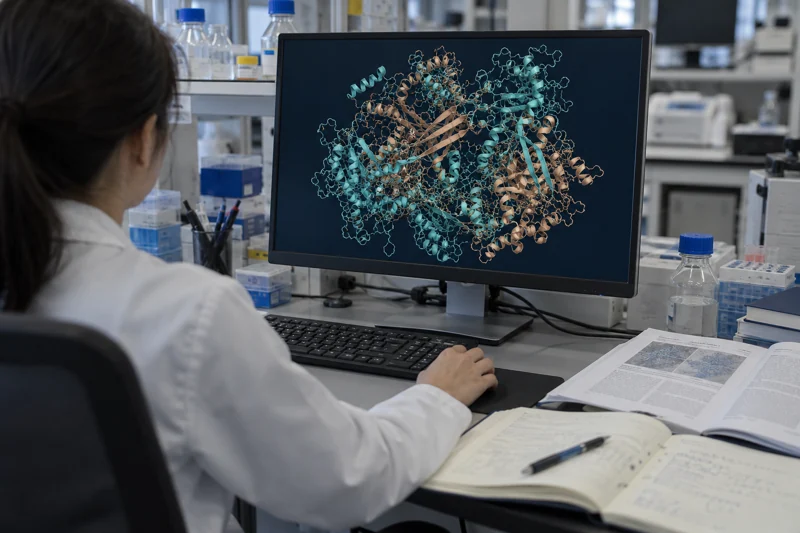
AlphaFold 3 expanded structure prediction to molecular partners. A plausible structure still needs an experiment.
Research advance · 6 min read 8 May 2024
Microfluidics & analysis
Why shrinking liquid pathways changes more than the size of a laboratory.
Explainer · 6 min read
Microfluidics & analysis
The question is which function a tissue model reproduces, and how we know.
Explainer · 6 min read
AI illustration Chemical principles
A reaction can reach the same destination by a pathway with a lower energy barrier.
Explainer · 6 min read
AI illustration Chemical principles
A one-unit move on the pH scale represents a tenfold change in hydrogen-ion activity.
Explainer · 6 min read
AI illustration Materials & energy
Follow ions through the electrolyte and electrons through the circuit.
Explainer · 6 min read
AI illustration Environmental chemistry
A collection bin is the beginning of a chemical supply chain, not its final result.
Explainer · 6 min read
Materials & energy
The same broad idea—many connected units—underlies fibres, films and biological molecules.
Explainer · 6 min read
AI illustration Environmental chemistry
A membrane, a sorbent and a chemical reaction do different jobs.
Explainer · 6 min read
Environmental chemistry
Prevention, material efficiency and safer design change the questions we ask about a process.
Explainer · 6 min read
Molecular life sciences
Targeting a DNA sequence is one part of a much longer chain from molecular tool to useful result.
Explainer · 6 min read
AI illustration Molecular life sciences
Lipid nanoparticles show why getting an RNA molecule to the right place is a chemistry problem of its own.
Explainer · 6 min read
AI illustration Chemical principles
Six questions connect an exciting result to the evidence that supports it.
Reading guide · 5 min read