IN FOCUS / MATERIALS CHEMISTRY
Metal–organic frameworks: why molecular pores matter
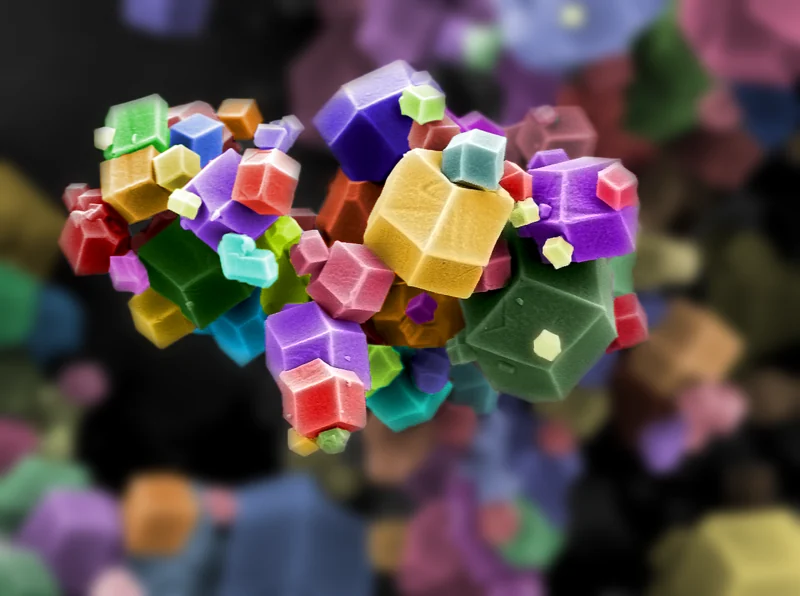
The porous architecture behind the 2025 chemistry Nobel connects molecular design with water, gases and separation.
Read the analysis →Research, chemical principles and their impact on health, technology and the environment.
SELECTED RESEARCH & EXPLAINERSThe porous architecture behind the 2025 chemistry Nobel connects molecular design with water, gases and separation.
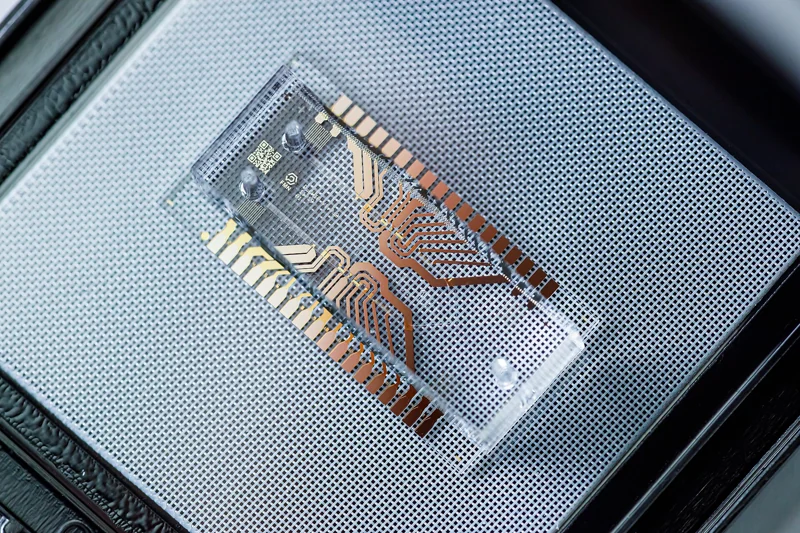
Read the analysis →Patient-derived colon chips connect tiny fluid channels with a much larger problem: understanding inflammation.
A 2026 electrochemistry study turns a battery problem into a possible route for destroying PFAS.
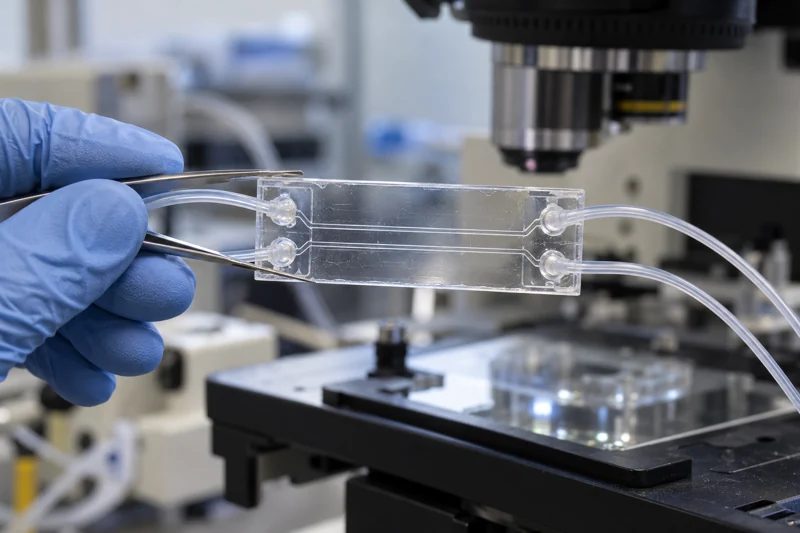
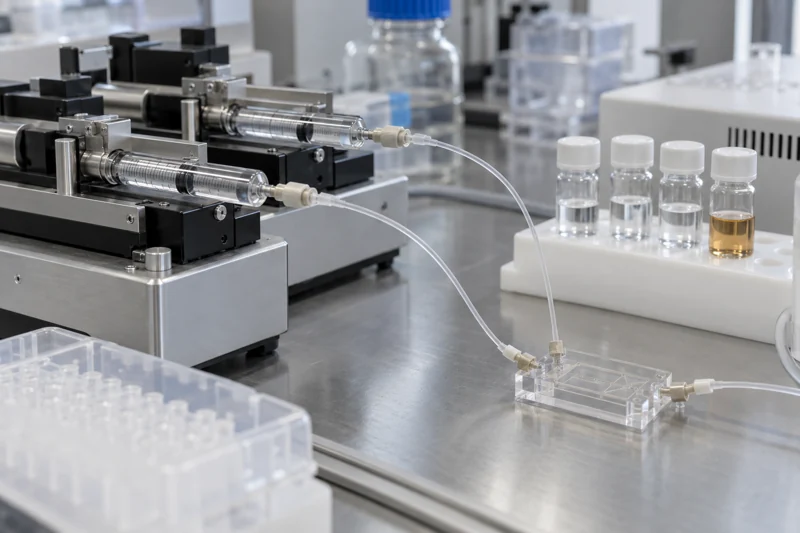
Why shrinking liquid pathways changes more than the size of a laboratory.
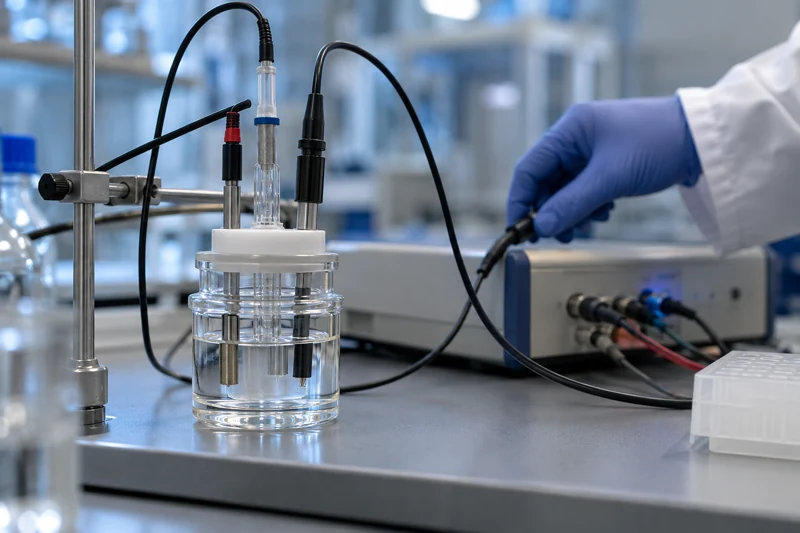
Follow ions through the electrolyte and electrons through the circuit.
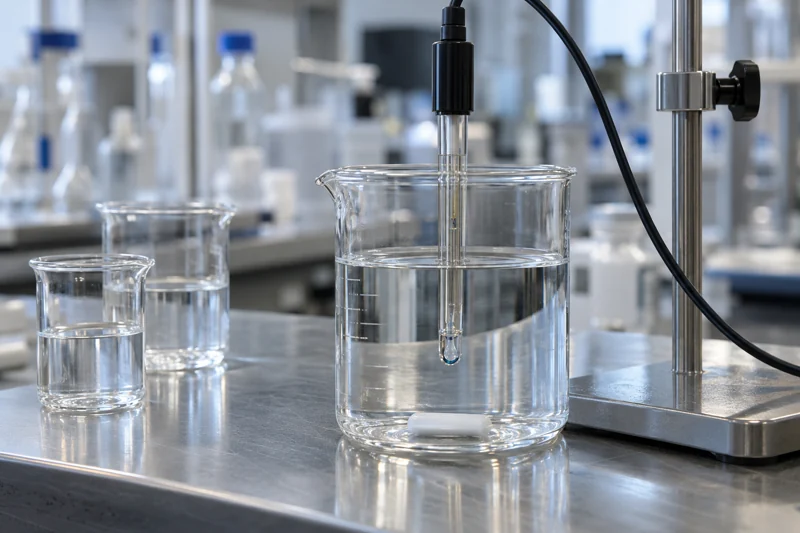
A one-unit move on the pH scale represents a tenfold change in hydrogen-ion activity.
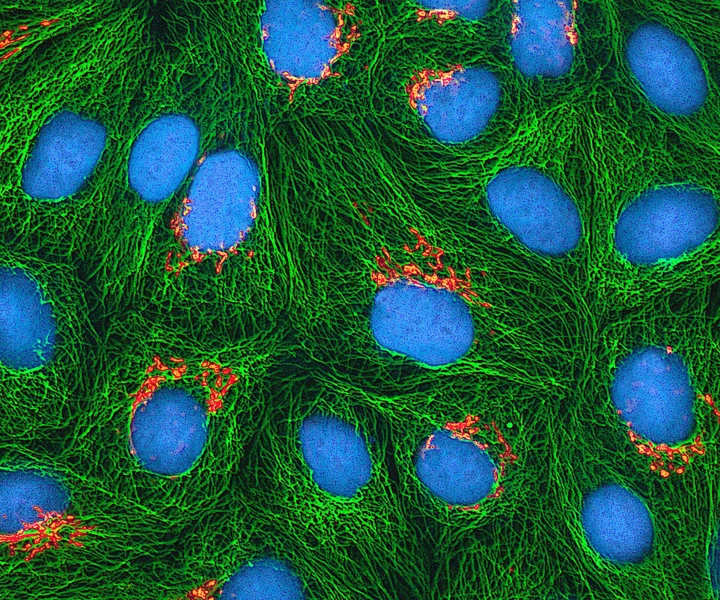
Cell types, fluid flow, mechanical forces and controls determine the questions an organ chip can answer. Understand the relationship between a realistic model and a reliable result.
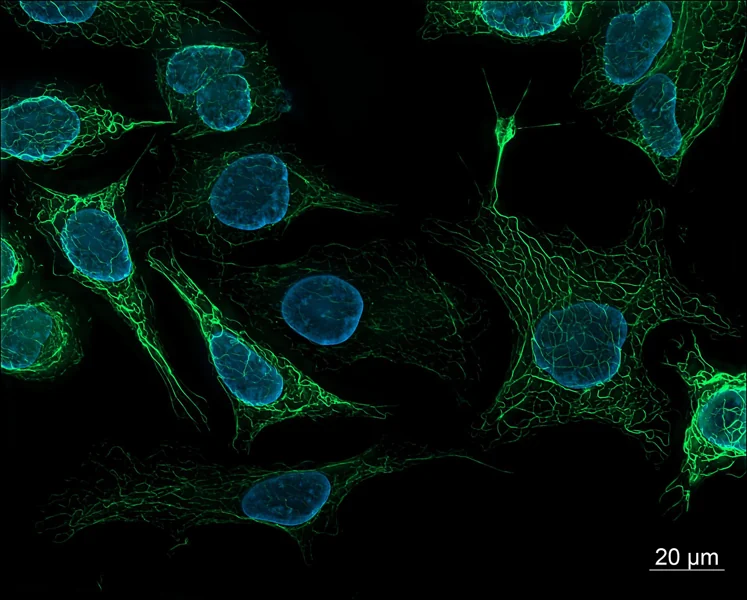
Organ-on-a-chip models explained →The image shows cultured HeLa cells, not an organ chip or tissue from the 2026 study.
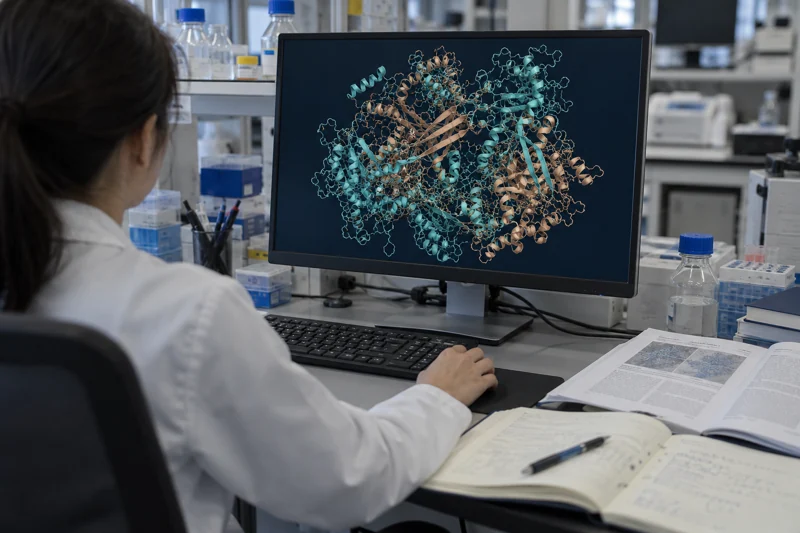
AlphaFold 3 expanded structure prediction to molecular partners. A plausible structure still needs an experiment.
Targeting a DNA sequence is one part of a much longer chain from molecular tool to useful result.
Lipid nanoparticles show why getting an RNA molecule to the right place is a chemistry problem of its own.
A membrane, a sorbent and a chemical reaction do different jobs.
A collection bin is the beginning of a chemical supply chain, not its final result.
Prevention, material efficiency and safer design change the questions we ask about a process.
Explore how diffusion time scales with distance, then compare hydrogen-ion activity across the pH scale.
Fluid transport, analytical systems and tissue models at small length scales.
3 articles →Molecular structure, biological function and biotechnology.
3 articles →Water treatment, pollutant destruction and material recovery.
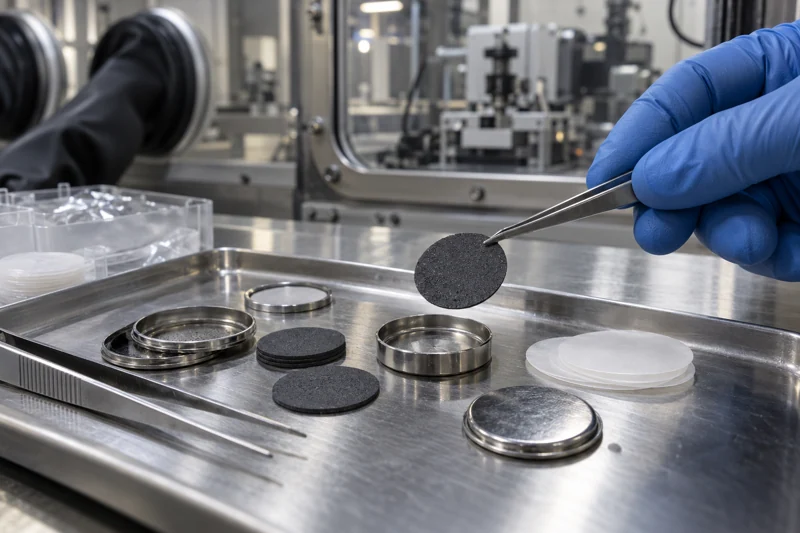
4 articles →The chemistry inside batteries, polymers and porous materials.
3 articles →Reaction mechanisms, quantitative relationships and evaluating scientific evidence.
3 articles →