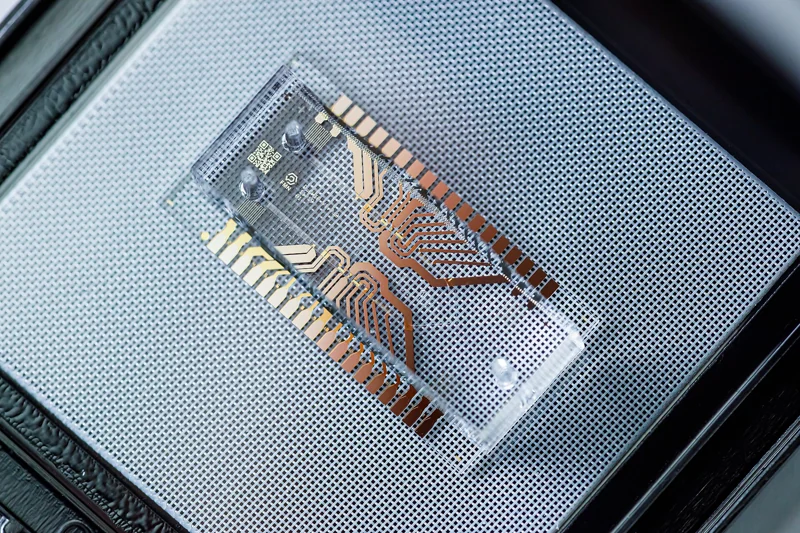
Microfluidics & analysis
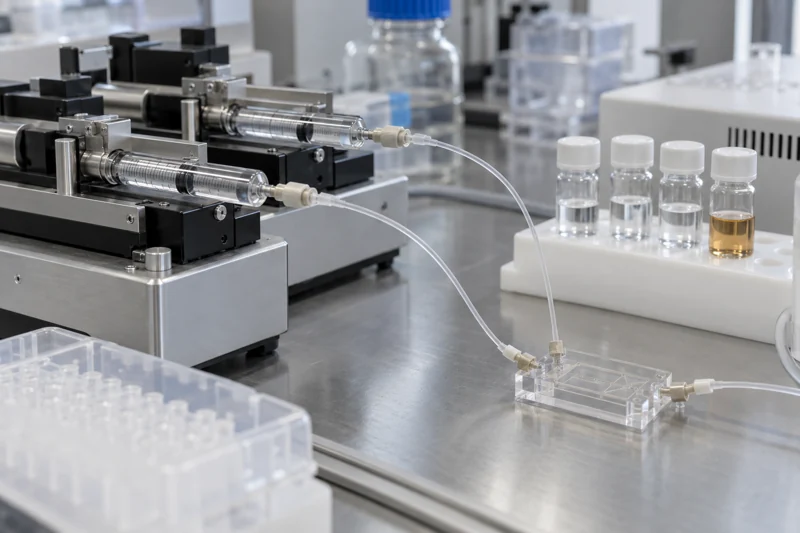
Microfluidics: controlling chemistry in narrow channels
Why shrinking liquid pathways changes more than the size of a laboratory.
Research advances and explanations of chemical mechanisms, biological systems and their practical implications.
Why shrinking liquid pathways changes more than the size of a laboratory.
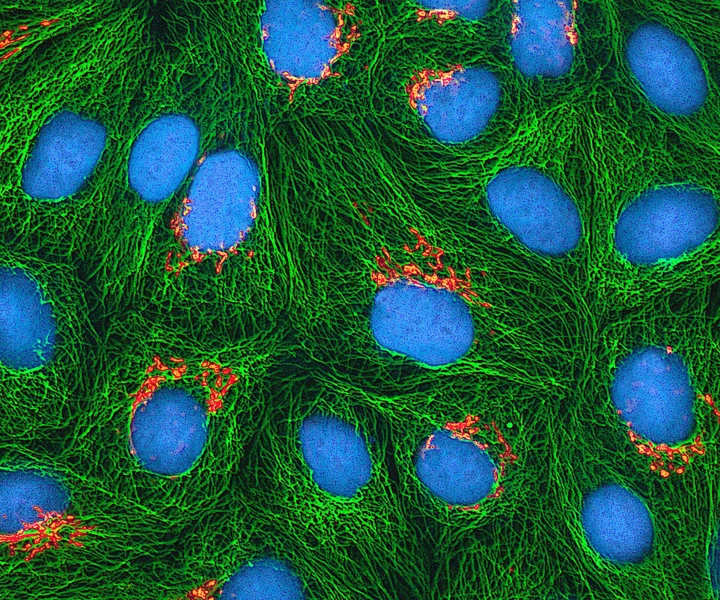
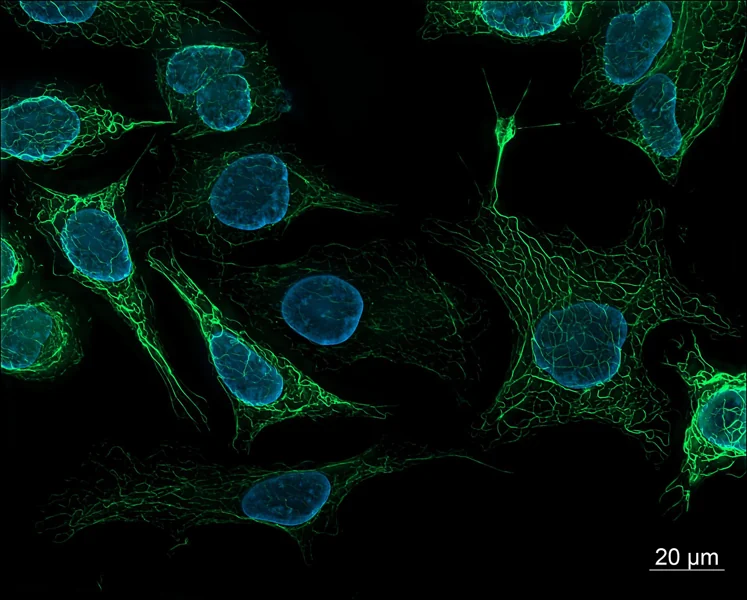
The question is which function a tissue model reproduces, and how we know.
A reaction can reach the same destination by a pathway with a lower energy barrier.
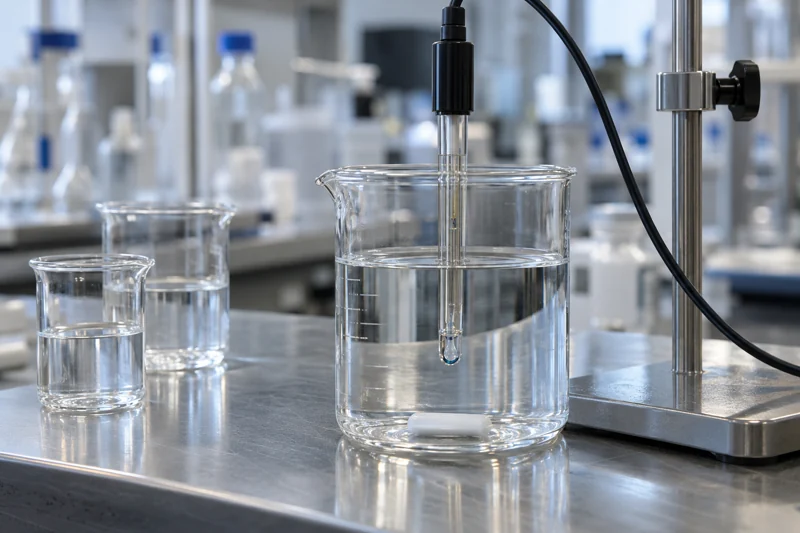
A one-unit move on the pH scale represents a tenfold change in hydrogen-ion activity.
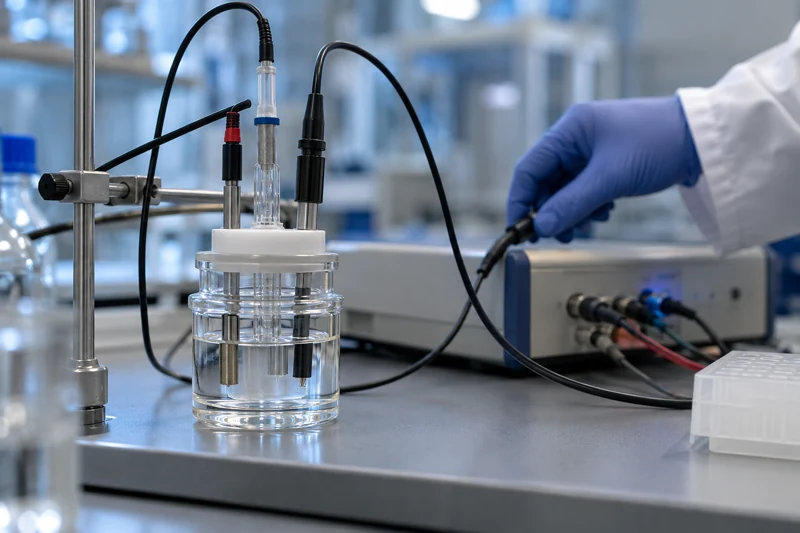
Follow ions through the electrolyte and electrons through the circuit.
A collection bin is the beginning of a chemical supply chain, not its final result.
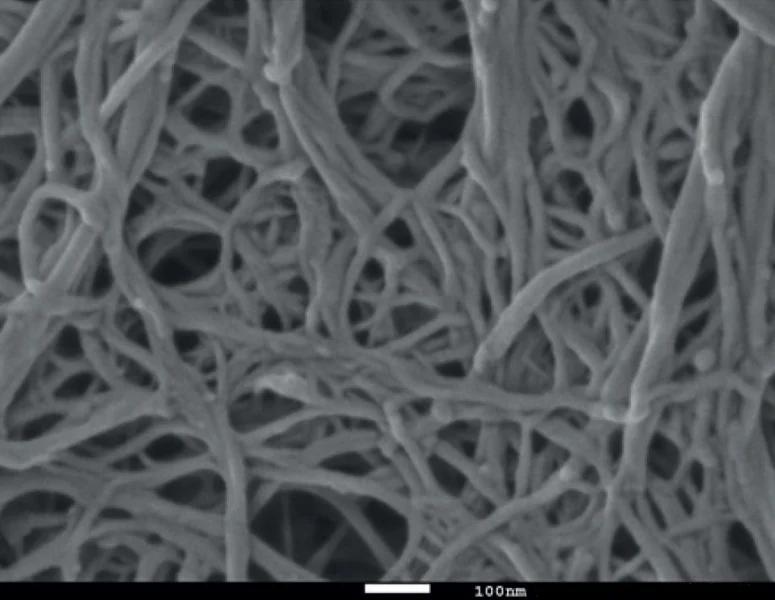
The same broad idea—many connected units—underlies fibres, films and biological molecules.
A membrane, a sorbent and a chemical reaction do different jobs.
Prevention, material efficiency and safer design change the questions we ask about a process.
Targeting a DNA sequence is one part of a much longer chain from molecular tool to useful result.
Lipid nanoparticles show why getting an RNA molecule to the right place is a chemistry problem of its own.